Found: The Moment a DNA Test Stopped Being a Hobby and Became a Life Changer
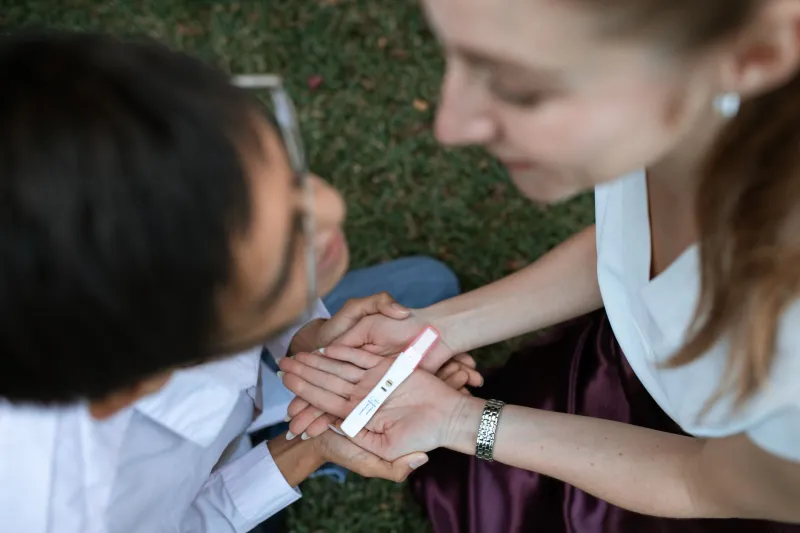
There's a particular kind of silence that falls over a person when they open a DNA results page and see a name listed as "Close Family — Possible Half Sibling." Not a distant fourth cousin twice removed. Not a vague "predicted relative." A half sibling. Someone who shares your blood in a way that rewrites everything you thought you knew about where you came from.
This is happening in living rooms and on lunch breaks all across America, more often than most people realize. Adoptees who spent decades with only the thinnest scraps of background information are suddenly finding themselves holding a thread that leads somewhere real. And that moment — exciting, terrifying, and completely life-altering — is just the beginning.
The Numbers Behind the Stories
DNA testing has quietly become one of the most powerful tools in the adoptee community. With databases at companies like AncestryDNA and 23andMe now numbering in the tens of millions, the odds of finding a meaningful biological connection have shifted dramatically in favor of the searcher. Genealogists who specialize in what's called "search and reunion" work estimate that a significant portion of their current caseload involves adoptees — people who weren't necessarily looking to build a family tree so much as find the roots of their own story.
The emotional landscape here is complicated. Some adoptees grow up with warm, supportive families and still feel the pull of unanswered medical questions or a simple curiosity about where their face came from. Others carry a deeper ache — a sense of identity that always felt slightly out of reach. Neither experience is more valid than the other, and both can lead to the same moment: a match list that suddenly has a name on it that matters.
Before You Hit Send on That Message
Okay, so you've found someone. Maybe it's a first cousin who could connect you to a biological parent. Maybe it's the parent themselves. Before your fingers fly to the keyboard, take a breath — and then take a few practical steps.
Give yourself time to process. This sounds obvious, but the adrenaline of discovery can push people into action before they're emotionally ready for the response — or the silence. There's no deadline on this. Sit with it for a day or two.
Do your homework first. Use the match to build outward. If this person is a first cousin, who are their parents? Can you identify which side of the family they come from? Tools like the Leeds Method (a way of color-coding DNA matches to sort them into family groups) can help you map the biological family tree before you make any contact. The RootsGather community forums are a great place to find people who've done this exact kind of detective work and are happy to walk you through it.
Consider what you actually want. Are you looking for medical history? A relationship? Just acknowledgment? Knowing your own goal before you reach out helps you craft a message that's honest without being overwhelming.
Writing That First Message
This is the part people agonize over, and honestly, that care is worth it. The person on the other end of your message may have no idea you exist. They might be thrilled. They might be scared. They might need time.
Keep your first message short, warm, and low-pressure. Introduce yourself simply — your name, that you're an adoptee, and that you believe you may be connected through DNA. Mention the platform where you matched. Express genuine curiosity without demanding a response. Something like: "I don't want to disrupt your life, but I'd love to know more about where I come from, if you're ever open to that conversation."
Avoid leading with medical urgency unless it's truly pressing — it can feel like pressure. And resist the urge to share your entire life story in the opening note. You want to open a door, not flood the room.
When the Response Isn't What You Hoped For
Not every reunion goes the way we picture it. Some biological relatives don't respond. Some respond and then go quiet. Some are warm initially and then pull back when the reality of the connection settles in. This is genuinely hard, and it's important to say that out loud: rejection in this context hurts in a specific, layered way that's different from ordinary disappointment.
If you hit a wall, give it space. A non-response isn't always a permanent no — sometimes people need weeks or months to process before they're ready to engage. A gentle follow-up after a few months is reasonable. Beyond that, continuing to push can do more harm than good.
In the meantime, lean on community. The adoptee and DNA discovery space has a rich network of support — online groups, dedicated forums, and even therapists who specialize in reunion-related experiences. You don't have to process this alone, and hearing from others who've been exactly where you are can make an enormous difference.
The Legal Layer
Depending on where you were adopted and when, there may be legal considerations worth understanding. Many states have updated their laws around original birth certificates in recent years, giving adult adoptees greater access to records that were previously sealed. Organizations like the Adoptee Rights Law Center track this state by state and can be a helpful resource if you're trying to obtain official documents to complement what DNA has revealed.
It's also worth knowing that DNA evidence, while powerful, doesn't create legal family relationships on its own. If you're navigating anything that might have legal implications — inheritance, medical decision-making, name changes — consulting an attorney who handles family law is a smart move.
Your Story Isn't Finished — It's Just Getting More Interesting
Here's the thing about being an adoptee who finds a biological connection through DNA: you don't have to choose between the family that raised you and the family you've discovered. Many people find a way to hold both, even when it's complicated. Some relationships with biological relatives grow into genuine closeness over years. Others settle into something quieter — a connection that answers questions without reshaping everyday life. Both outcomes are okay.
What the DNA test really does, at its best, is hand you a piece of your own story that was missing. What you do with it — how fast you move, who you reach out to, what kind of relationship you build — that part is entirely yours to write.
And if you're somewhere in the middle of all this right now, unsure of your next move, know that there's a whole community of people here at RootsGather who've stood in that same uncertain spot. You're not navigating this alone.