Dear Descendants: Why the Most Important Person in Your Family Tree Is You
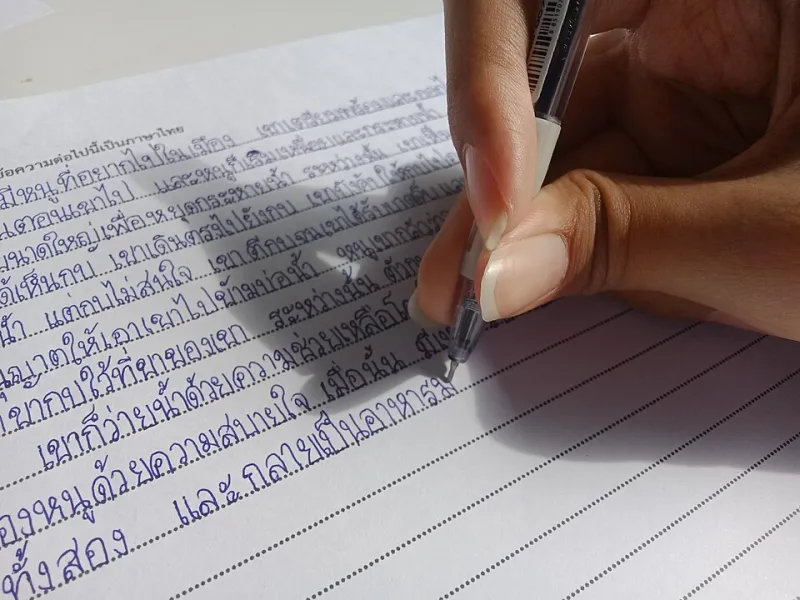
Photo: Jiafei Slay Queen, CC0, via Wikimedia Commons
Here's an uncomfortable question for the genealogy community: you've spent 300 hours researching people who died before 1950. How many hours have you spent documenting your own life?
If you're like most of us, the answer is approximately zero. And that's a strange inversion when you think about it, because a hundred years from now, you will be the ancestor. You'll be the name on the chart that some teenager squints at, wondering who you were.
The Ancestor Myth
Genealogy culture has a quiet bias baked into it: the older the document, the more valuable. We celebrate finding a 1790 passenger manifest while treating our own lives as unworthy of the archive. Nobody starts a research log titled 'Me.'
But flip the perspective. What do you wish your great-grandparents had left behind? Not another census line — you've got plenty of those. You wish they'd left their voice. Their opinions. What a Tuesday in 1923 actually felt like. What they worried about at 2 a.m. Whether they were happy.
A census record tells you your ancestor existed. It doesn't tell you anything about who they were. And right now, you're doing the exact same thing to your own great-grandchildren — existing in records, absent from history.
The 'Me-First' Movement
There's a growing corner of the family-history world — call it the me-first movement — pushing back on the dead-ancestors-first orthodoxy. The idea is simple: before you chase another generation back, document one generation forward. Yours.
The tools don't need to be fancy. A shared journal on a family platform. A monthly voice memo. A private blog your descendants will someday read like scripture. What matters is that it exists somewhere that outlives you.
Start with the stuff no one else knows:
- Your ordinary days. What you eat for breakfast, what your commute smells like, what you do on Sunday afternoons. Daily ritual is the first thing history erases and the thing future readers crave most.
- Your decisions. Why you took the job, moved to the town, left the church, married the person. Your descendants will inherit the outcomes; give them the reasoning.
- Your voice. Record audio. Text is wonderful but a voice — the pauses, the laugh, the way you say your grandmother's name — is irreplaceable.
- Your stuff. Photograph the objects that matter to you and write a line about why. The quilt on the couch, the dented saucepan, the ticket stub in the drawer.
Your Story Makes Everyone Else's Easier
Here's the argument that converts even the most dedicated dead-chasers: documenting yourself is an act of genealogical mercy.
Think about your own research. The brick walls you've hit exist because someone didn't write things down. Now imagine your great-grandchild in 2125, holding a DNA match and a name, trying to figure out who you were. Every memo you record is a brick wall they'll never hit. You are the one ancestor whose story you can completely control — and the only one who can't be interviewed later.
There's a bonus, too. People who start documenting their own lives often find it changes how they research everyone else. You start noticing what's missing. You start asking your living relatives better questions, because you know now what a record can't capture.
Start Tonight
Don't build a system. Don't buy software. Tonight, open your phone, hit record, and talk for five minutes about your day and one memory it stirred up. Do that once a week and in a year you'll have something more valuable to your descendants than any probate record you'll ever find.
The ancestors we research were once people who figured their ordinary lives weren't worth recording. Let's be the generation that breaks the cycle.