Small Towns, Big Roots: How Genealogy Tourists Are Putting Forgotten Places Back on the Map
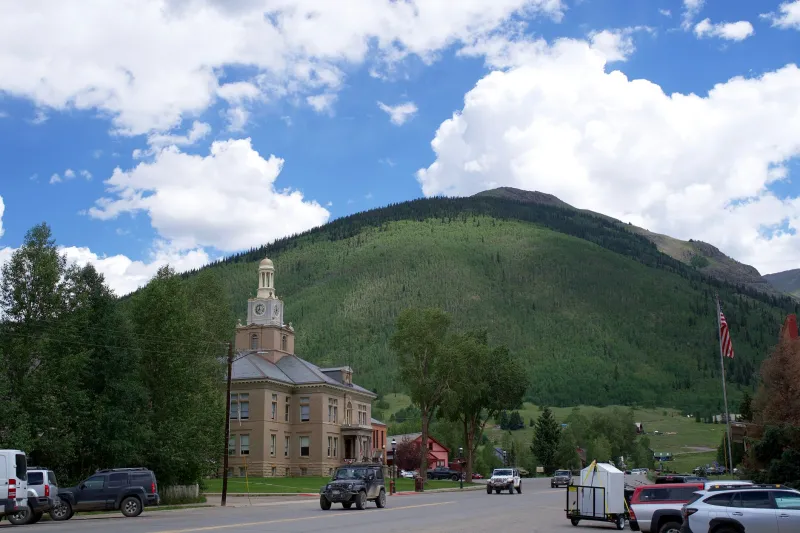
There's a moment that genealogy researchers talk about in almost reverent terms. It's not the click of a promising census record or the ping of a DNA match notification. It's the moment you're standing on an actual street — maybe a gravel road in rural Pennsylvania, or a courthouse square in small-town Mississippi — and you realize your great-great-grandmother once walked this exact ground. That feeling, part history lesson and part gut punch, is quietly fueling one of the more unexpected travel trends of the past decade.
Call it the genealogy gold rush, but instead of prospectors flooding into boomtowns, you've got Americans of every background loading up their cars and heading out to places that most travel guides have long forgotten. And the small towns on the receiving end? They're starting to notice.
Why People Are Hitting the Road with Their Family Trees
For a long time, genealogy research lived almost entirely on a screen. You'd dig through Ancestry.com, order a few vital records, maybe swap notes with a distant cousin you found on a message board. The hobby was deeply personal but often pretty solitary.
That started shifting as DNA testing became mainstream and digitized records made it easier to trace lines back further and more precisely. Suddenly, people weren't just finding names and dates — they were pinpointing places. The county where a great-grandfather homesteaded. The small Norwegian fishing village that shares your surname with half the phone book. The Georgia town where your family sharecropped for three generations before the Great Migration.
Once you have a place, the pull to go there is surprisingly hard to resist.
"I'd been researching my family for almost six years before I finally drove down to Harlan County, Kentucky," says Deb Whitaker, a retired schoolteacher from Columbus, Ohio, who's been documenting her Appalachian roots through the RootsGather community forums. "I knew everything about my family on paper. But standing at the cemetery where my great-grandmother is buried — that changed something in me. I cried for about twenty minutes and I'm not even a crier."
Deb is far from alone. Heritage tourism — travel motivated by a desire to connect with one's cultural, ethnic, or family history — has been growing steadily, and genealogy-driven trips represent a particularly motivated subset of that market. These aren't casual sightseers. They've done their homework. They know exactly which church records they want to photograph, which county clerk's office they need to visit, and which local historian might have the answers they've been hunting for years.
The Small Towns Quietly Cashing In
For communities that have watched young residents leave and main streets hollow out, genealogy tourists represent something genuinely valuable: visitors who come specifically to engage with local history rather than breeze past it.
Take Pella, Iowa — a small city founded by Dutch immigrants in the 1847 — which has long cultivated its heritage tourism infrastructure. Or consider the dozens of less-prominent communities across Appalachia, the Deep South, and the upper Midwest that are starting to realize their old cemeteries, county archives, and local historical societies are actually draws.
Librarians and local historians have become unexpected front-line tourism workers. "We get people driving in from four, five states away just to look at our deed books," says one county archivist in rural Virginia, who asked not to be named because she was speaking informally. "They'll spend a whole day here, then go have dinner in town, stay at the B&B. Some of them come back every couple of years. It's become a real thing."
Bed-and-breakfasts, local diners, and small museums are among the businesses that benefit most. Unlike resort tourists who might spend heavily on built infrastructure, genealogy visitors tend to spend locally — meals at the diner, a night at a family-run inn, a donation to the historical society, a book purchased from the local shop that publishes county history compilations.
Some towns are starting to get intentional about it. A handful of rural communities have begun hosting "heritage weekends" — events that combine cemetery walks, courthouse record access, and talks from local historians specifically designed to attract family researchers. It's a smart play, and word spreads fast in genealogy communities, where recommendations for helpful local resources travel quickly through forums and Facebook groups.
The Community Aspect Nobody Talks About Enough
Here's something interesting that happens when genealogy tourists show up in a small town: they often connect with locals who share their surname or their family's history. It's not uncommon for a researcher to reach out ahead of a visit through a local genealogical society and end up having coffee with a distant cousin they never knew existed.
That community-building dimension is part of what makes this kind of travel feel different from ordinary tourism. You're not just consuming a place — you're weaving yourself back into its social fabric, even briefly.
"I posted in a county Facebook group before my trip asking if anyone knew the old farm my family had owned," recalls Marcus Tillman, a software developer from Atlanta who traveled to rural South Carolina to research his family's post-Reconstruction history. "By the time I got there, three different people had reached out. One of them drove me out to the property. Another had photographs I'd never seen. I went home with more than I ever expected to find."
For many researchers, these trips also create a sense of closure or connection that no amount of digital record-digging can replicate. There's something about physically being in a place — smelling the air, seeing the landscape, touching the stone of an old church — that makes ancestors feel real in a way that a scanned document simply doesn't.
What This Means for the Future of Rural Heritage Sites
The challenge for many small communities is capacity. Local historical societies are often run by volunteers, many of them older, and their archives aren't always organized in ways that make them easy for outside researchers to navigate. Funding is perpetually tight. There's enthusiasm for welcoming genealogy tourists, but the infrastructure to support a real influx isn't always there.
Some states are starting to pay attention. A few have begun including genealogy tourism in their rural economic development conversations, recognizing that heritage travelers tend to be older, often retired, with both the time and the disposable income to make extended trips.
For the RootsGather community, this trend is something worth watching — and participating in. Whether you're planning your first pilgrimage to an ancestral county or you're a regular heritage traveler with tips to share, the intersection of genealogy research and place-based travel is only getting richer.
Your family's story didn't happen in a vacuum. It happened somewhere specific, in a town that might still be standing, tended by people who might be more connected to your history than you'd imagine. The records are waiting. The roads are there.
All you have to do is go.